Home › Garage and Basement Concrete Floors
Reliable, professional concrete garage floor in Round Rock, TX from Superior Concrete Round Rock. Contact us today for a free on-site estimate.
Superior Concrete Round Rock provides professional concrete garage floor throughout Round Rock, TX, Texas and the surrounding area. Our licensed, insured crew delivers safe, clean, on-time work with a free estimate before anything begins. Call (737) 520-3156 or request your free quote.
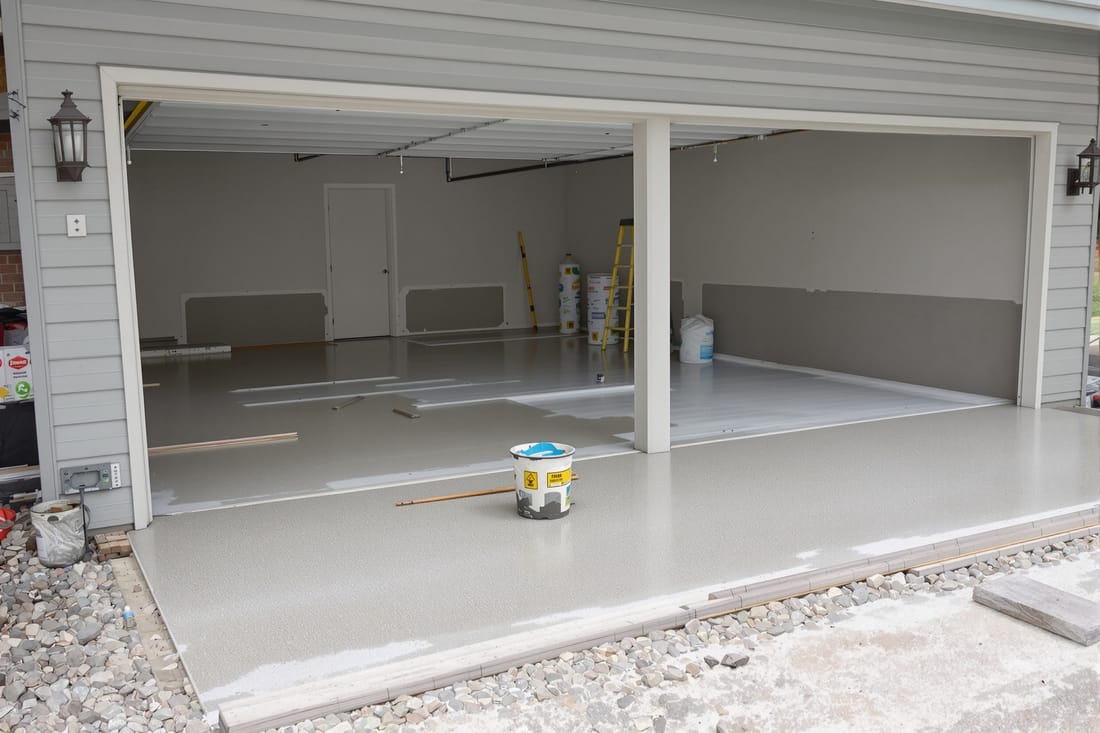
Concrete Garage Floors in Round Rock That Stay Strong and Level
A concrete garage floor in Round Rock has to deal with hot summers, the occasional freeze, dripping motor oil, and heavy vehicles sitting in one spot for years. At Superior Concrete Round Rock, we focus on building floors that do not settle, crack badly, or turn dusty after a couple of seasons. Before we talk about finishes or colors, we look at what the slab will sit on. The soil in much of Round Rock has clay content, which expands when wet and shrinks when dry. If that is ignored, you end up with heaving, trip lips at the garage door, or cracks that telegraph through coatings.
For a new garage floor or a replacement slab, our crews start by stripping out any loose material, old slab sections, and soft spots in the base. We then bring in a compacted base, usually crushed limestone or road base, and tighten it up with plate compactors in several passes. A stable base is the first line of defense against settlement. From there, we set elevations carefully so water drains out toward the driveway, not toward the house interior. A slight slope, often around 1/8 inch per foot, helps you avoid puddles under vehicles and makes it easier to wash out the garage.
We select a concrete mix that fits your use. For most residential garages, we recommend at least a 3,500 to 4,000 psi mix with proper air entrainment for the occasional freeze and good workability in the Texas heat. In drive-on areas, we typically use rebar or welded wire mesh, not just fibers, and use chairs or supports so that the reinforcement sits in the middle of the slab, not on the ground. During placement, we use control joints at planned locations to guide where inevitable shrinkage cracks will appear. When this is done correctly, most cracks stay hairline and do not affect performance or the look of the floor.
Basement and Lower-Level Concrete Floors Built for Real-Life Use
Basements and lower-level spaces around Round Rock are less common than in some parts of the country, but when they exist, the slab has to manage moisture and comfort differently than a garage. At Superior Concrete Round Rock, we focus on preventing damp, musty floors so you can actually use the space as a living area, storage, workshop, or home gym. The main difference is moisture management from the soil side. Even if you do not see water, water vapor can travel through unprotected concrete and cause flooring failures, mold under carpet, or cupped hardwood.
Before we pour a new basement or lower-level slab, we install a well-compacted base, then a heavy plastic vapor barrier, typically 10 mil or thicker, with taped seams that run up foundation walls a bit. This creates a continuous layer that stops vapor from wicking through. If you plan to condition the space, we may also recommend rigid foam insulation under or around the slab edge, which can help floor temperatures and energy bills. Over that, we pour a high-quality concrete mix and screed it to a very flat tolerance if you plan on installing luxury vinyl, tile, or engineered wood.
For basements that will stay as exposed concrete, we can burnish and densify the surface to create a harder, easier-to-clean floor. For spaces that will get flooring on top, we pay close attention to flatness. When the slab is poured too wavy, your flooring installer will struggle and you may end up paying later for grinding or self-leveling. Getting the slab right the first time is almost always cheaper than fixing it once the house is built.
Our Step‑by‑Step Process for Garage and Basement Concrete Floors
Every concrete garage floor or basement slab we install follows a repeatable process that we adjust to the specific property. It starts with a site visit. A Superior Concrete Round Rock project lead walks the area, checks elevations, looks at existing cracks or drainage patterns, and asks how you intend to use the space. For example, a hobby mechanic with a two-post lift needs a thicker slab and different reinforcement than a homeowner who just parks a sedan and uses the garage for storage.
Once we understand the use, size, and access to the space, we provide a written proposal that lays out slab thickness, reinforcement type, finish type, and any coatings or sealers. When work begins, we handle demo of any existing slab if needed, haul off debris, and prep the subgrade. We tighten up base material, proof-roll where accessible, and install forms. At this stage we set slopes carefully so your garage floor drains correctly or your basement floor ties cleanly into surrounding rooms.
Before the ready-mix truck arrives, our crew lays out reinforcement, checks clearances at doors, and plans control joint locations. During the pour, we place concrete quickly so it does not start setting in the summer heat. We strike it off, bull float, and then finish according to your preference. For most garages we use a light broom finish for traction, especially if you plan to drive in with wet tires. For interior basements and finished spaces, we may go with a steel trowel finish that is smoother and better for coatings or finished flooring.
After finishing, we saw-cut joints at the right window of time. In hot Round Rock weather, this often means coming back the evening of the pour or early the next morning. We also apply cure methods that fit the project. A curing compound can lock in moisture for proper strength gain, but if you plan on an epoxy coating soon after, we discuss other curing options so the surface is compatible. Finally, we walk you through basic care for the first few weeks, such as not parking heavy vehicles on a new garage floor too soon and keeping dehumidification running in a new basement slab so it dries out at a controlled rate.
Options, Finishes, and What Affects the Cost
Concrete garage floors and basement slabs are not one-size-fits-all, and the choices you make affect both the performance and the price. Thickness is one of the biggest drivers. A standard residential garage floor might be around 4 inches thick, while a heavy-use workshop or RV bay may need 5 to 6 inches with more reinforcement. In basements that will hold partitions, heavy storage, or gym equipment, we consider load paths and sometimes recommend thicker or specially reinforced areas.
Reinforcement is another cost factor. Basic wire mesh is more affordable but offers less control over cracking than properly placed rebar on chairs. For highly stressed areas, such as where a floor jack or lift will sit, rebar grids often make sense. Surface treatments also change the price. A simple broom finish slab is the starting point. From there, you can add clear penetrating sealers to reduce staining, densifiers with light polishing for dust control, or full epoxy and polyaspartic systems for a bright, chemical-resistant garage.
In basements, many customers choose stained and sealed concrete instead of traditional flooring to avoid future moisture problems. We can saw-cut decorative joints, apply multi-tone stains, and seal with low-sheen products for a warm, residential look. Keep in mind that each additional step adds labor and materials, so it is smart to be clear about what you want from the space for the next 5 to 10 years. We help you weigh initial cost against longevity. For example, if you plan to stay in your Round Rock home long term, a stronger mix, better reinforcement, and a quality sealer are usually worth the modest cost increase.
Season and schedule can play a role in price as well. Spring and fall are popular times for garage and basement concrete work because temperatures are more moderate and there is less risk of extreme heat or cold affecting finishing. In the high summer months, we use set retarders, more hands on the crew, and careful timing of pours to avoid surface problems, but that extra planning can be reflected in the quote. We are straightforward about these factors so you can decide when it makes the most sense to schedule your project.
Common Issues in Round Rock and How We Prevent Them
Round Rock weather and soils create a specific set of problems for concrete garage floors and basement slabs: slab movement from clay soils, hot-weather cracking, moisture concerns, and sometimes poor drainage toward the house. At Superior Concrete Round Rock, we design and build with those realities in mind rather than pretending every jobsite is the same.
For movement, the key is good base preparation and proper joint layout. We evaluate whether soft spots should be undercut and replaced, and we do not skip compaction to save time. Control joints are laid out so that they line up with door openings, posts, or planned walls where possible. That way, when hairline cracks appear, they fall where they are less visible or easier to disguise. In garages that tie into existing driveways or house slabs, we pay special attention to transitions so you do not end up with a harsh step or lip where one slab settles differently than another.
Moisture and hot weather are handled with mix design and timing. We prefer to pour early in the morning in summer to avoid rapid surface drying. We also keep the surface from drying out too quickly by using proper curing methods instead of constant reworking with trowels. For basements and lower-level spaces, we treat vapor barriers as non-negotiable, and we discuss drainage and gutters outside the home, since poor exterior water management can still lead to slab issues.
If you already have a concrete garage floor or basement slab that is cracked, spalling, or unlevel, we can evaluate whether repair or replacement makes more sense. Sometimes, grinding and patching combined with a quality coating can extend the life of a garage floor. Other times, especially where there is structural movement or major heaving, it is better to remove and replace the slab with improved base prep. We walk you through the pros, cons, and long-term costs of each approach so you are not just patching a problem that will return in a year or two.